
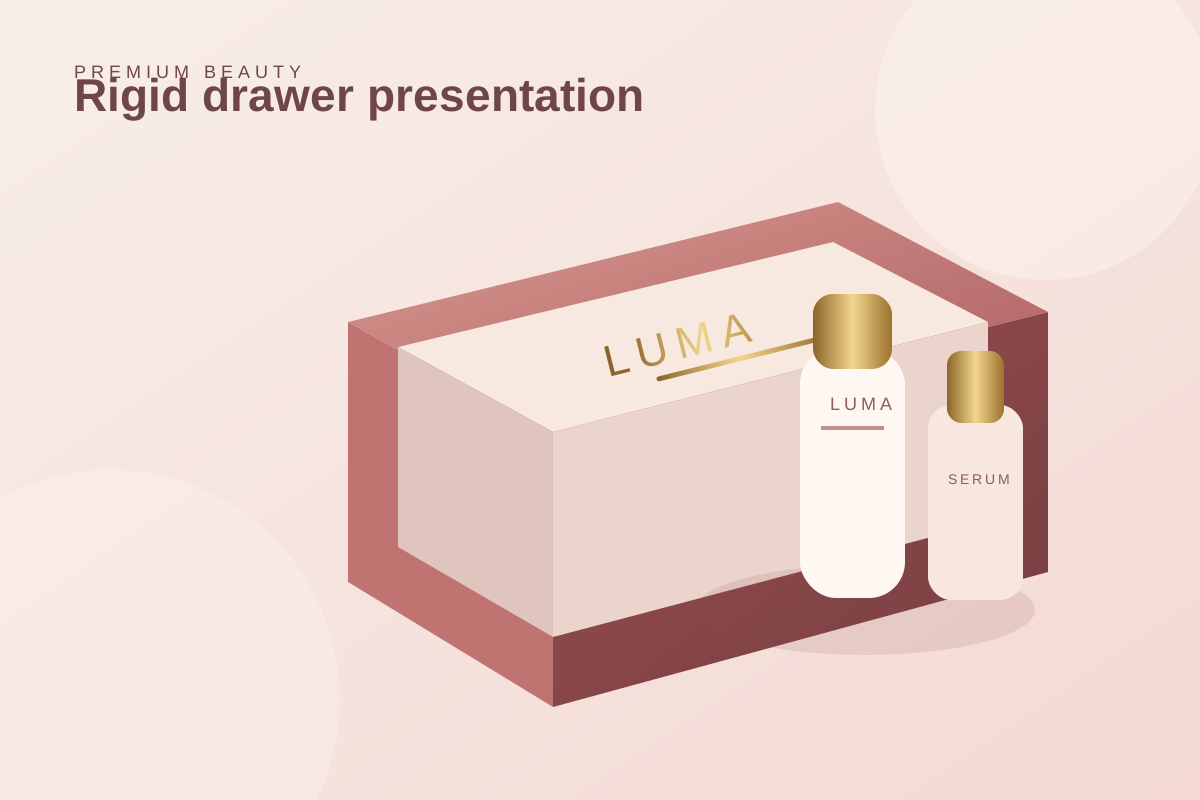
Beauty launch direction
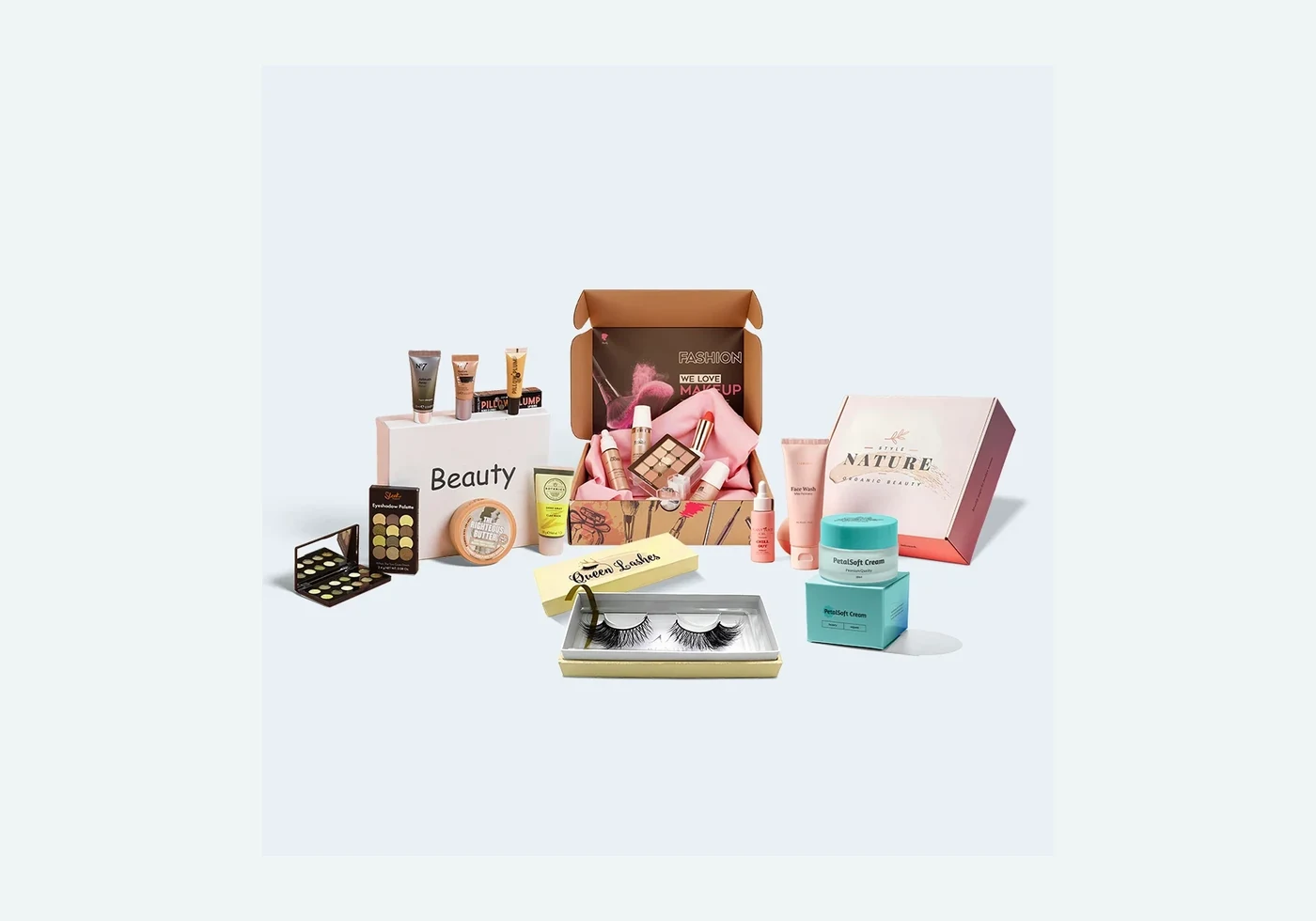
Skincare Presentation Set
- Structure
- Rigid drawer box
- Finish
- Soft touch + foil
- Why this direction
- Presentation-led beauty concept

Tell us what you are packaging, the quantity you are considering and what matters most to the project. The Product Finder narrows a starting structure, material and finish before you request a quote.
Your recommendation will appear here after the three selections.
The right structure depends on product weight, dimensions, sales channel, packing method and presentation goals.
Use the Product Finder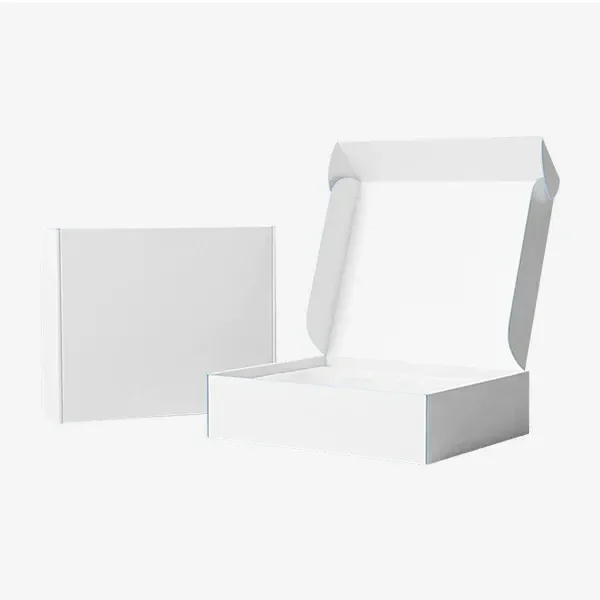
Best starting use: ecommerce and subscription shipping. Main job: protection plus branded unboxing.
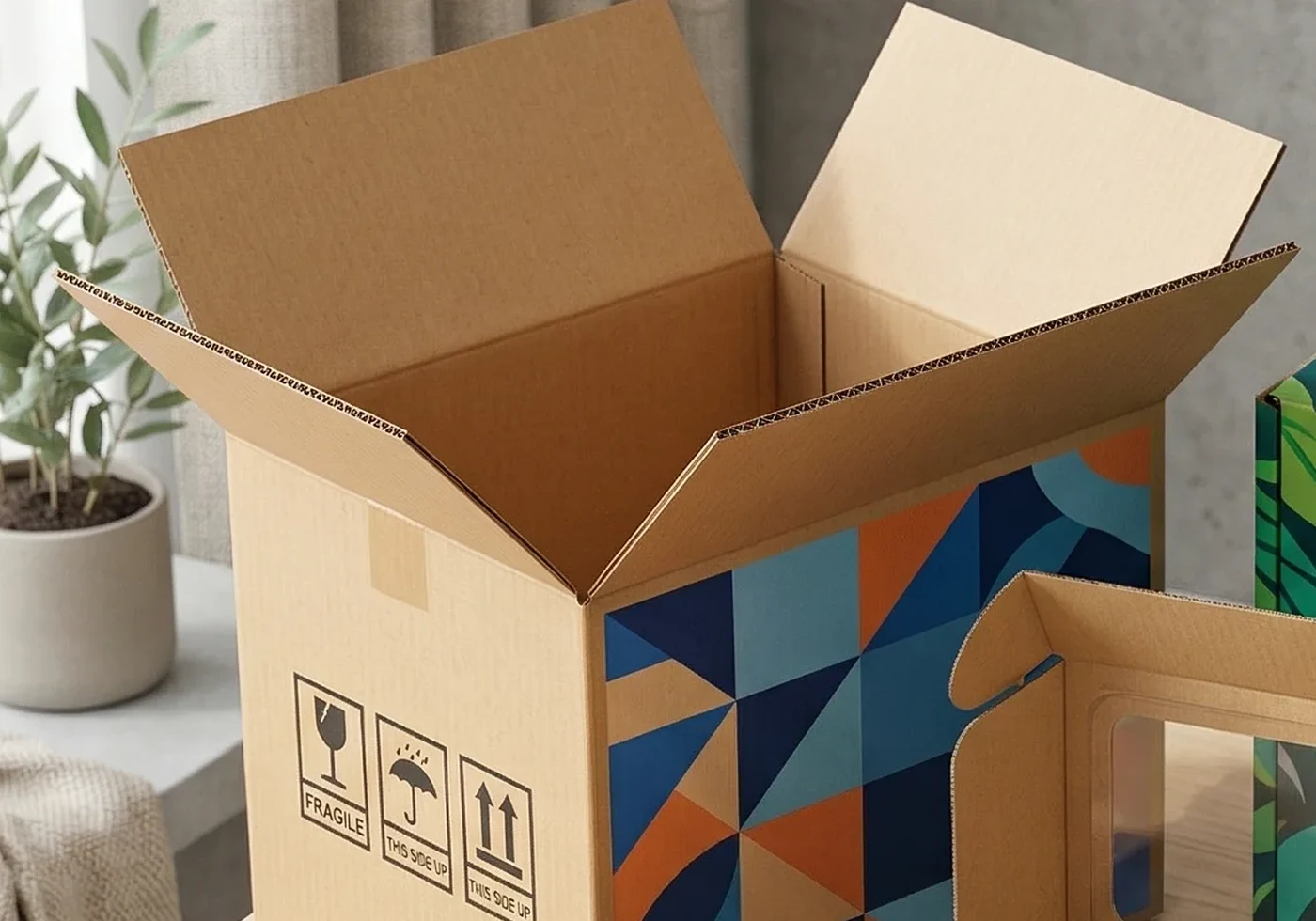
Best starting use: fulfillment and heavier products. Main job: transit protection.
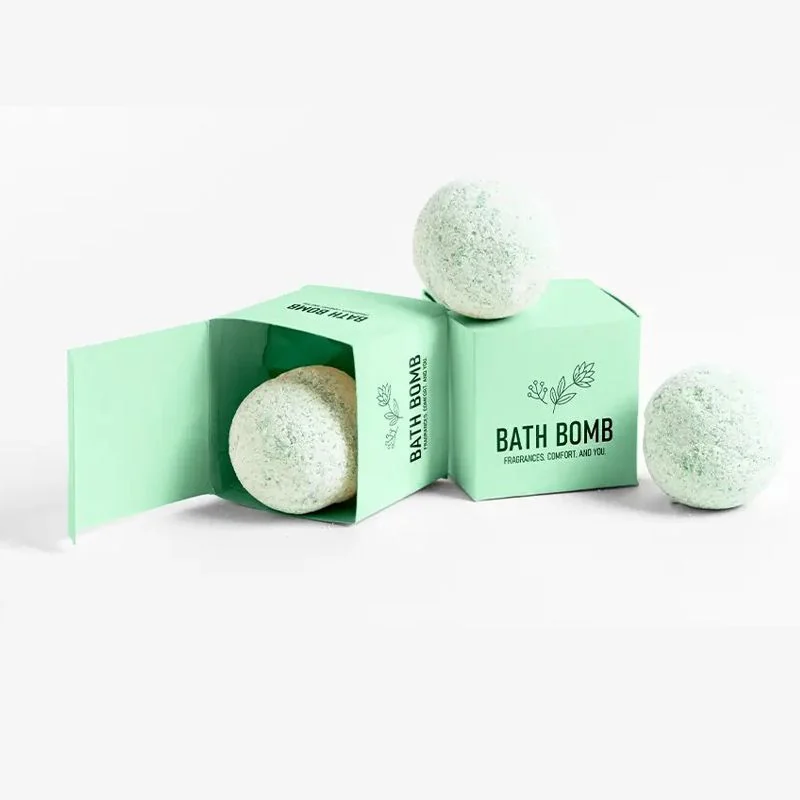
Best starting use: lightweight retail goods. Main job: print plus shelf presentation.
Best starting use: premium products and gifting. Main job: presentation plus perceived value.
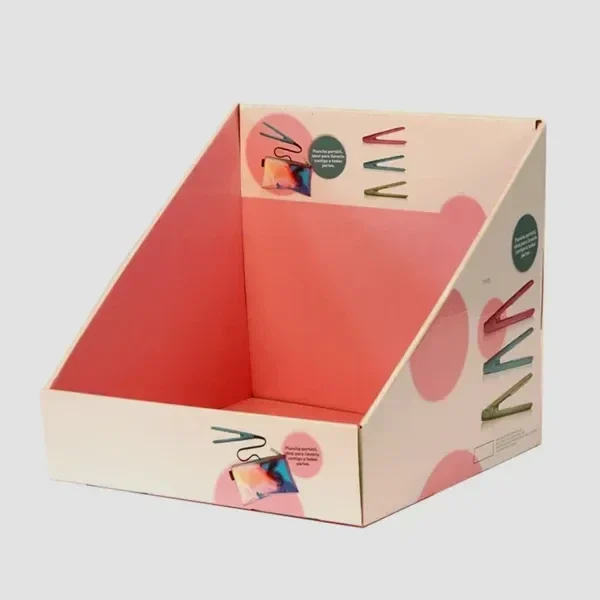
Best starting use: counters and point of sale. Main job: product visibility.
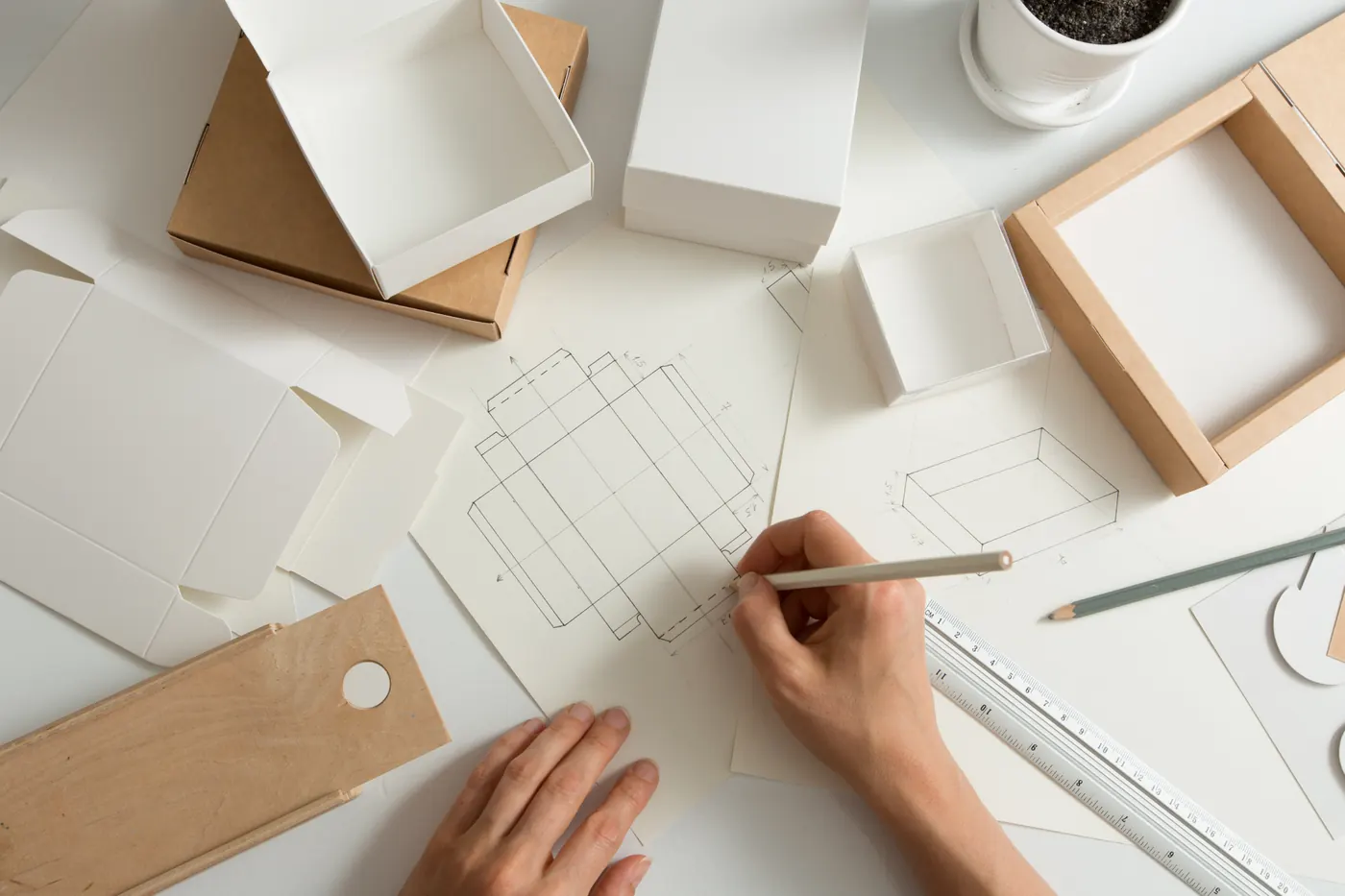
Send the product weight, dimensions, sales channel and presentation goals. Start from the product rather than the box name.
Compare a structure, base color direction and finish to see how the same packaging concept can change. Use the studio to narrow your preferences before the final dieline and production specifications are confirmed.
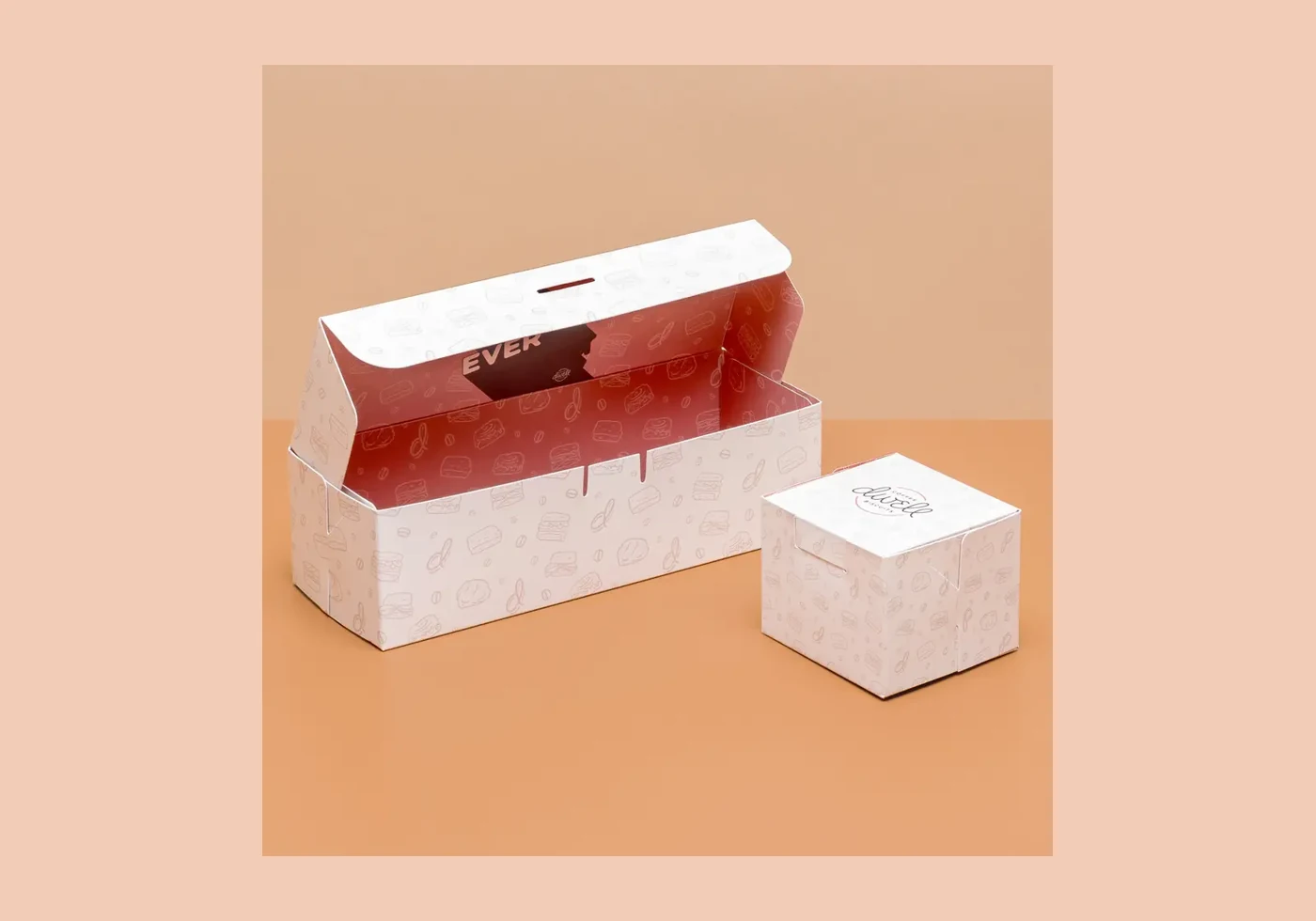
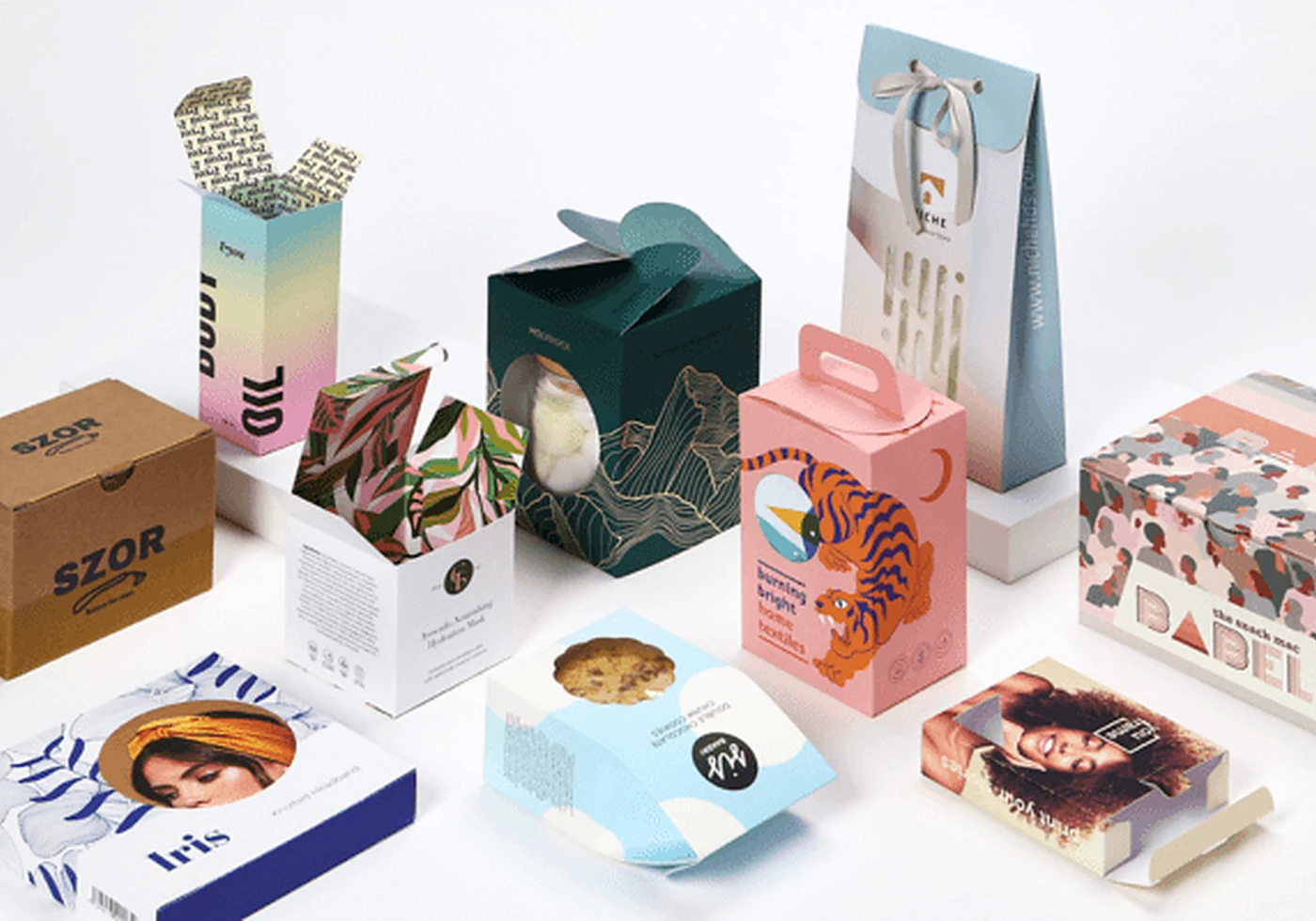
Follow the project from product requirements through structure, artwork, proofing and production. The visual remains tied directly to your scroll.
The material affects structure, print behavior, protection, weight and presentation. Start with what the package needs to do, then compare a compatible finish using the Finishes Lab.
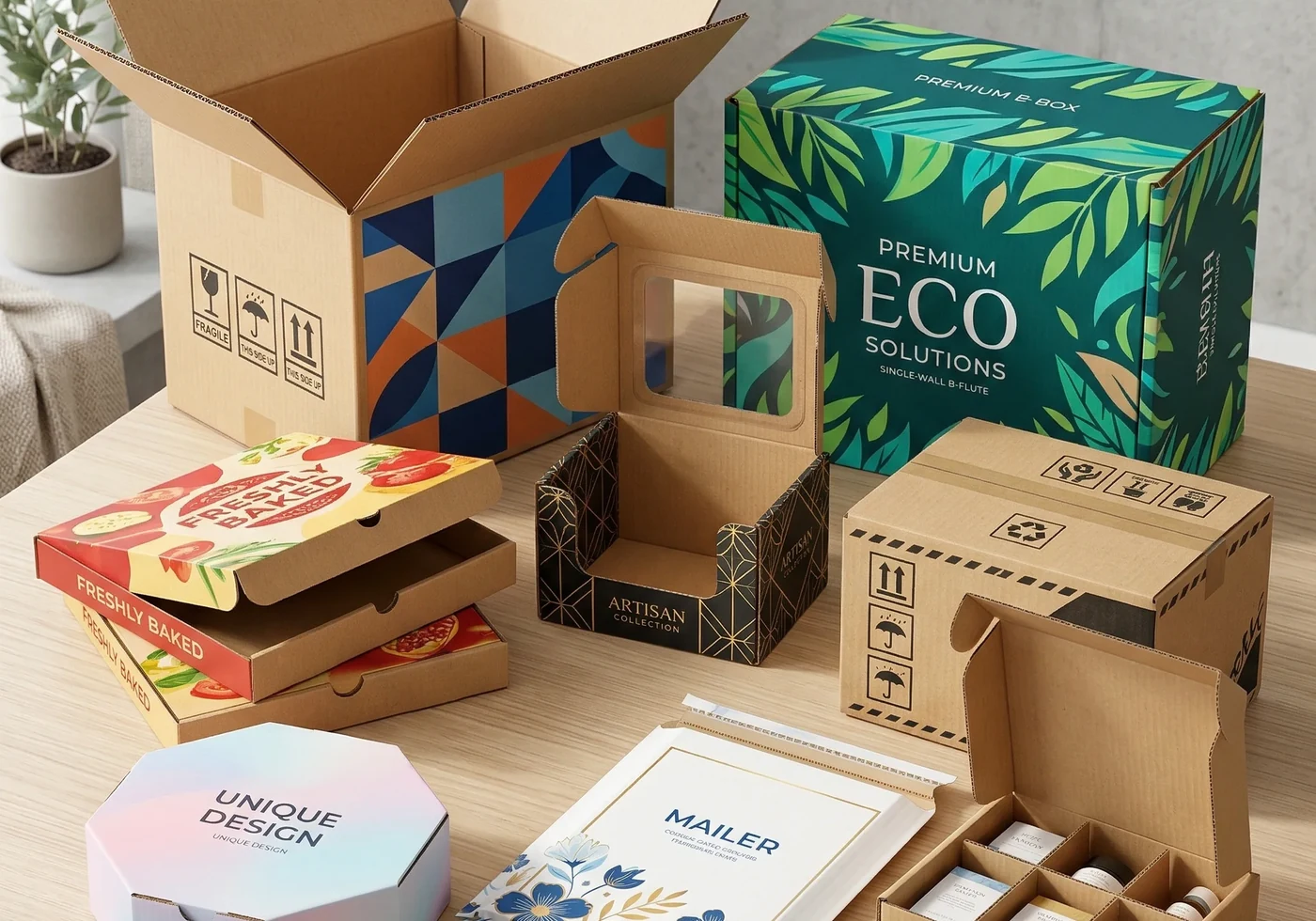
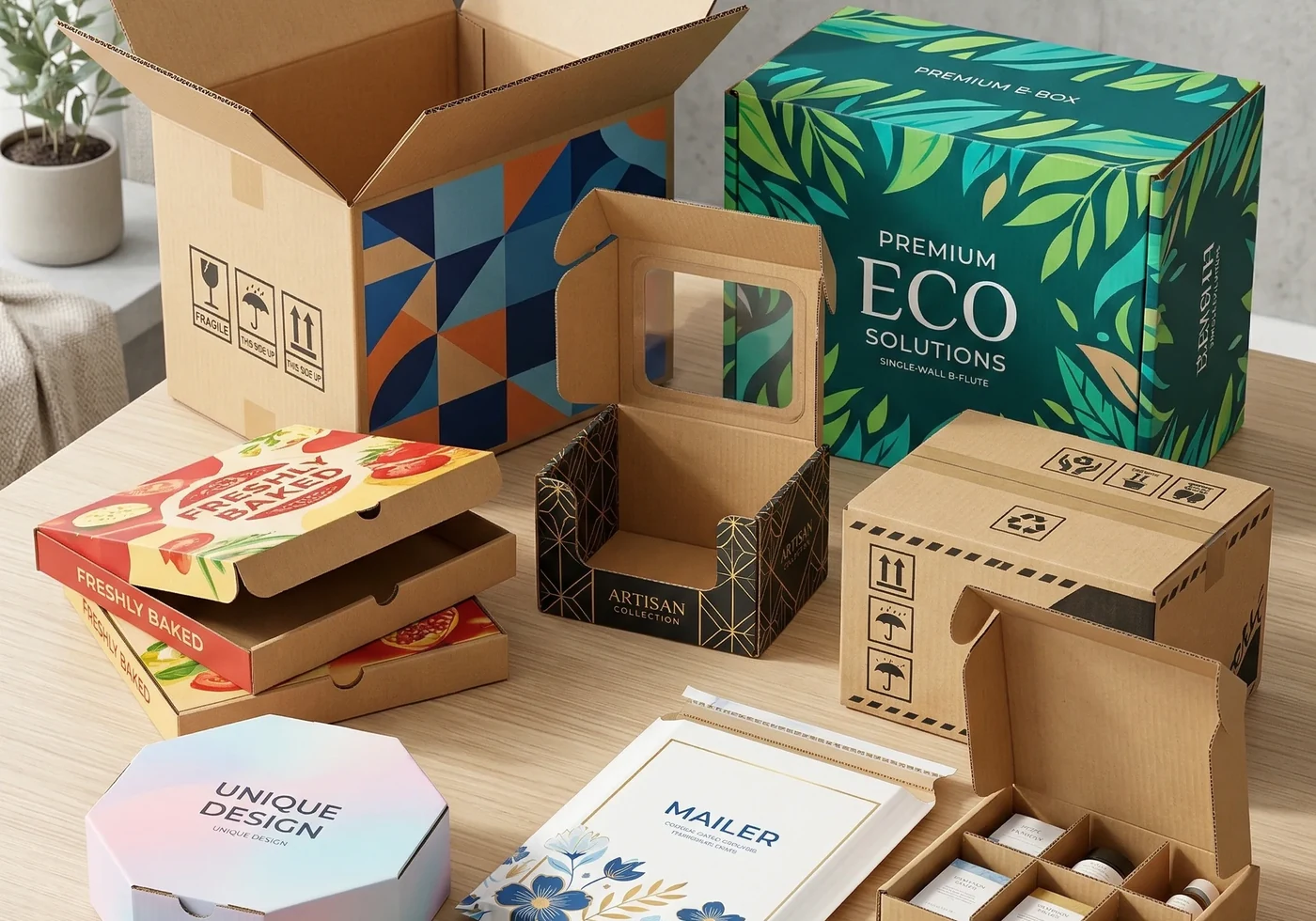
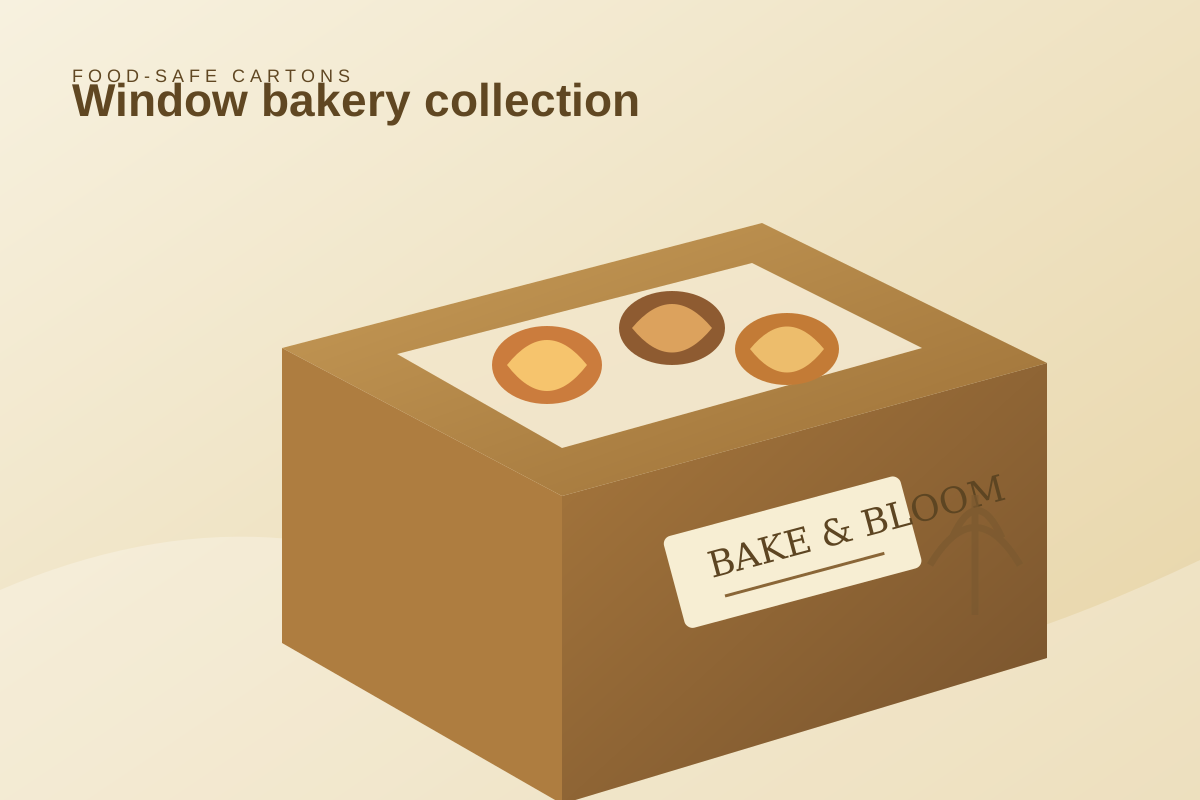
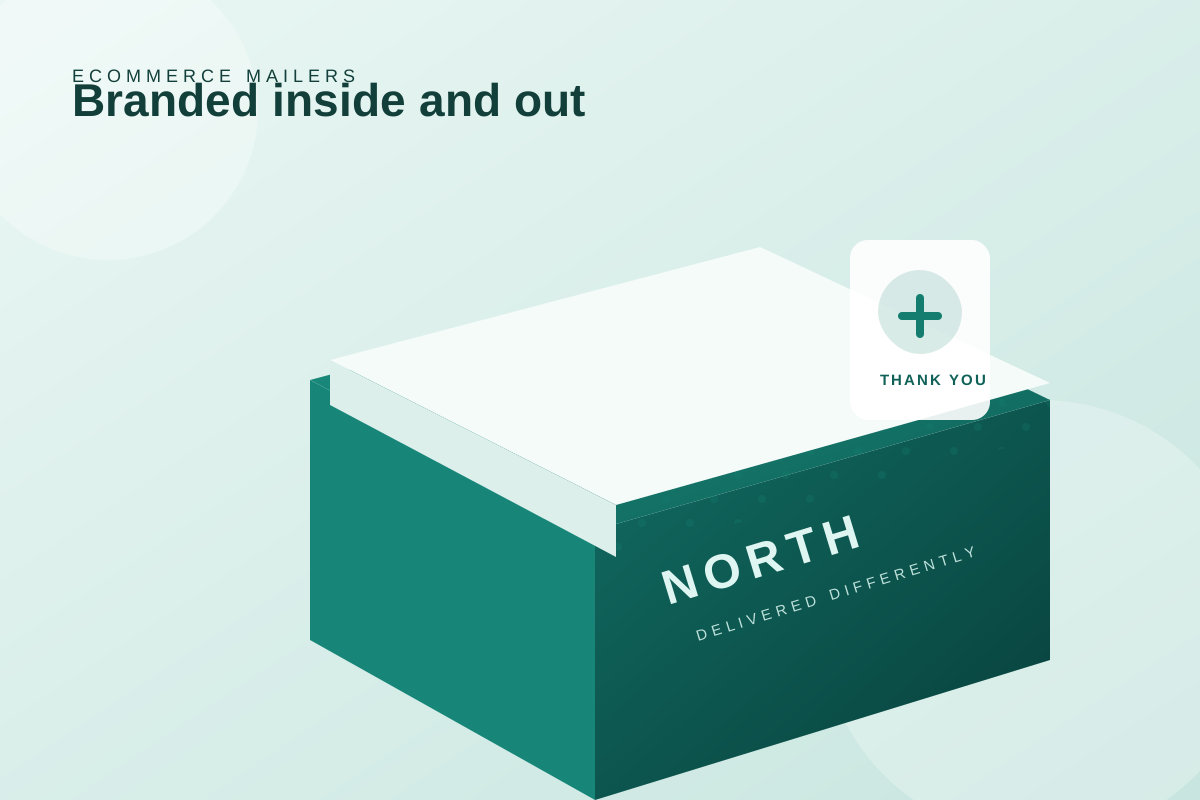
These are representative packaging directions, not client case studies. They show how structure, material and finish choices can change by product and buying journey.
Build the brief around the product, then keep structure, artwork and approval decisions organized.
The Packaging Works helps Los Angeles brands plan custom packaging around the product, box structure, material, printing and finishing requirements. The goal is a clearer approved specification before production, not a generic one-box-fits-all template.
Start with dimensions, handling, sales channel and presentation goals before choosing a box.
Treat dieline, artwork and finishing as one packaging system rather than separate decisions.
Use an approved proof or sample stage to catch structural or artwork issues before the final run.
Keep approved size, structure, material, print and finish details organized for future reorder discussions.
Define the product and requirements first, then move through structure, artwork, proofing and the confirmed production specification.
Send product dimensions, quantity, sales channel, preferred style if known, artwork status and target timeline.
Narrow the box style, board and internal fit, then prepare the dieline and artwork in the approved production layout.
Check dimensions, artwork placement, color direction and other approved project details before production.
Produce the approved specification, complete the confirmed checks and prepare the finished packaging for delivery and future reorder discussions.
Smaller / Test Runs
Launching a product, testing new artwork or ordering for a smaller business? Start with the low-MOQ pathway to see which structures and production methods fit smaller quantities.
Wholesale / Repeat Orders
Planning larger quantities or repeat packaging? Use the wholesale pathway to compare volume, specifications and repeat-order requirements around the same approved package.
Tell us what you are packaging and how the package needs to perform. If you know the dimensions, quantity, material or finish, include them; if not, start with the product and use case.
Clear starting answers for box styles, printing, materials, quotes, order sizes, sustainability and production planning.
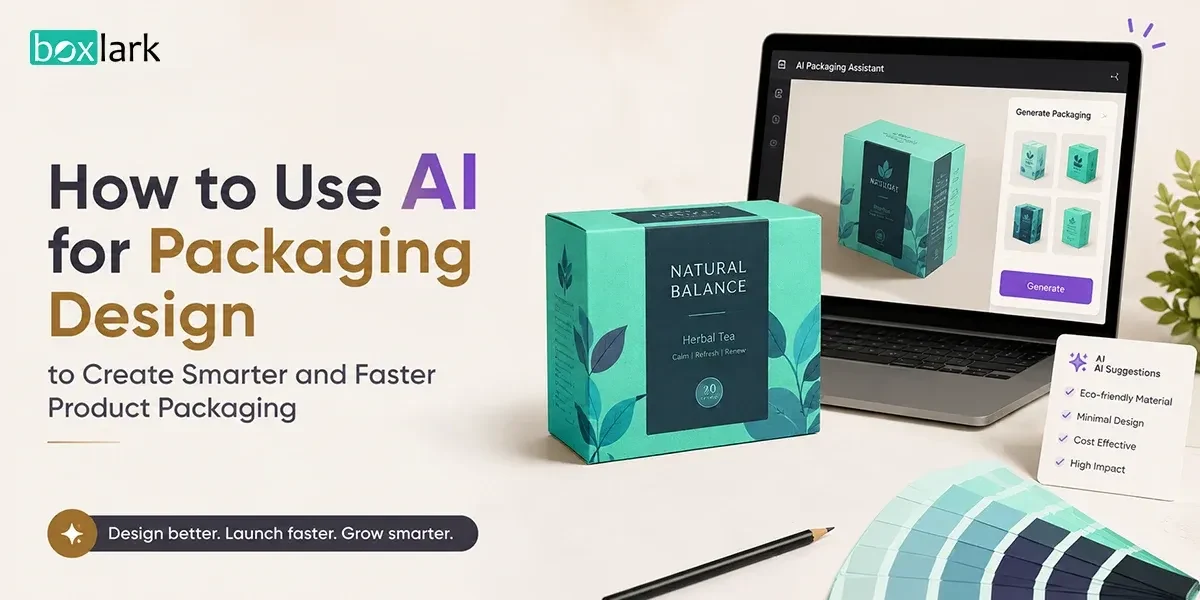
How to Use AI for Packaging Design to Create Smarter and Faster Product Packaging
Read More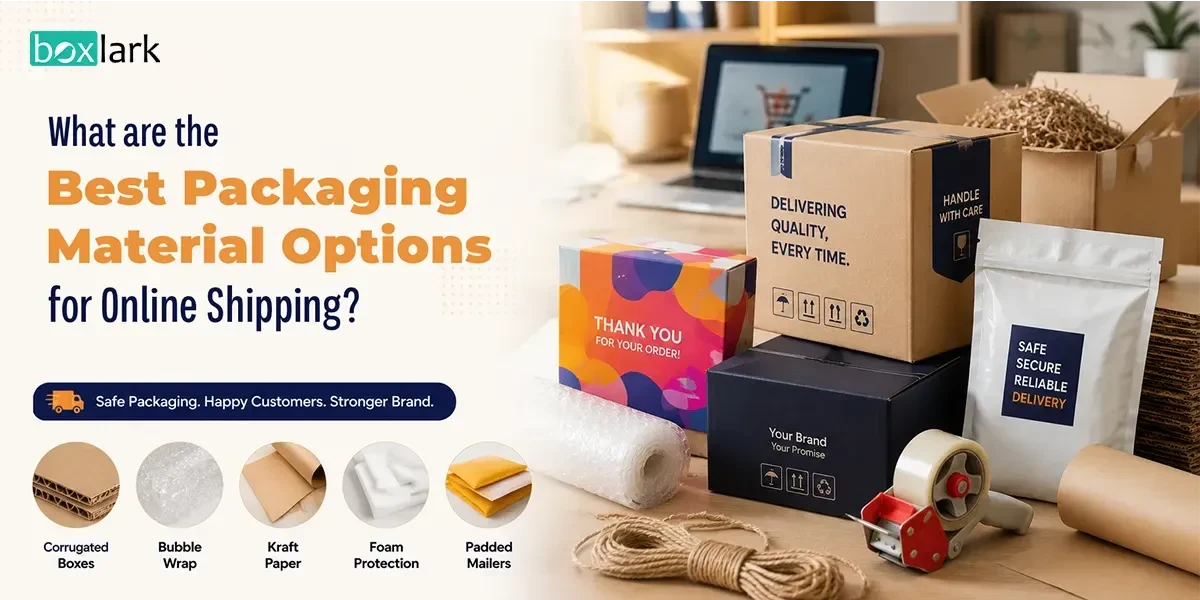
What Are the Best Packaging Material Options for Online Shipping?
Read More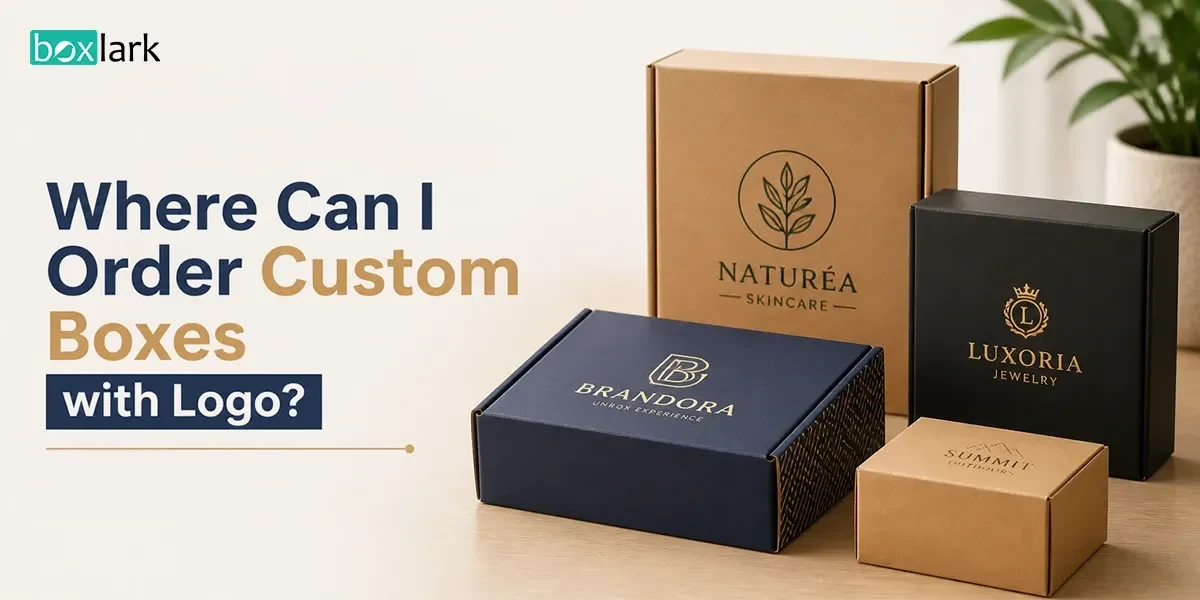
Where Can I Order Custom Boxes with Logo?
Read More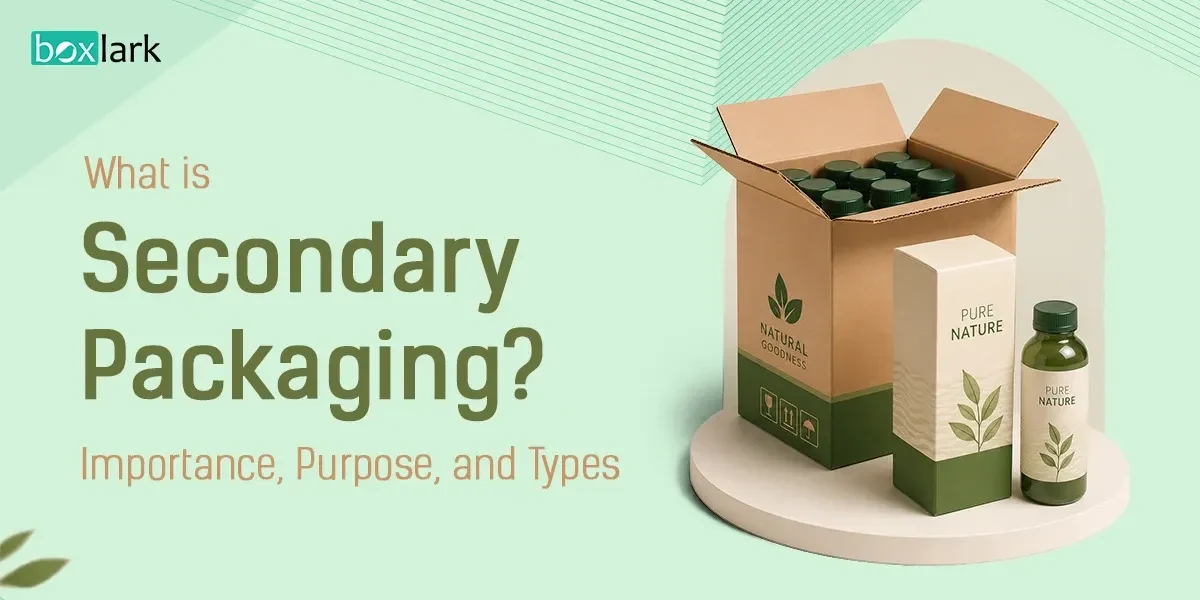
What is Secondary Packaging? Importance, Purpose, and Types
Read More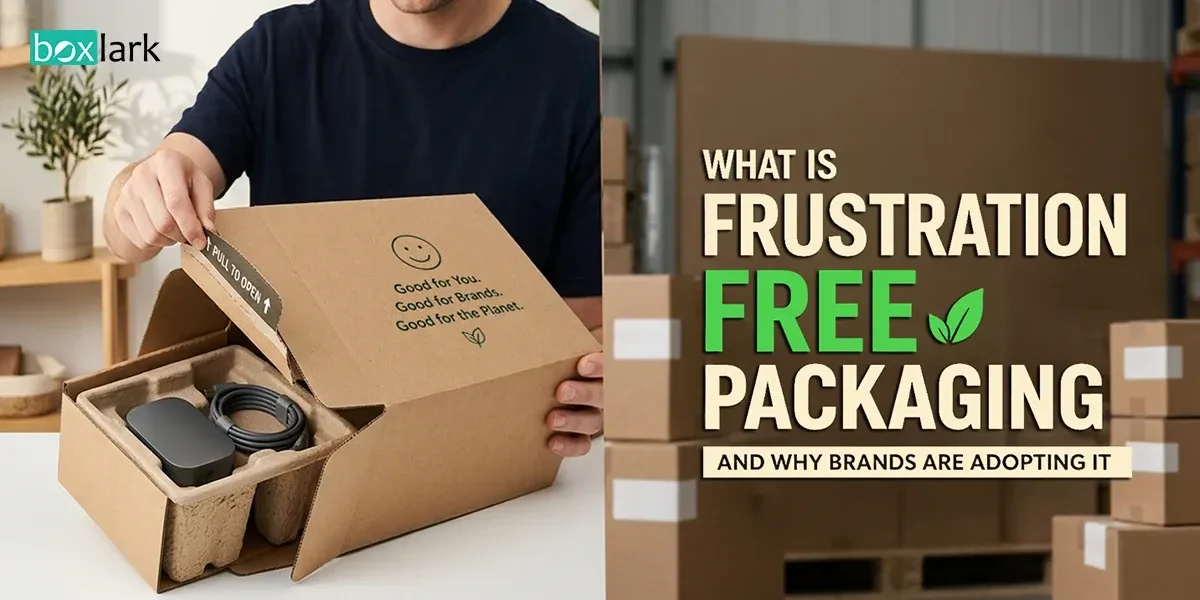
What is Frustration Free Packaging and Why Brands Are Adopting It
Read More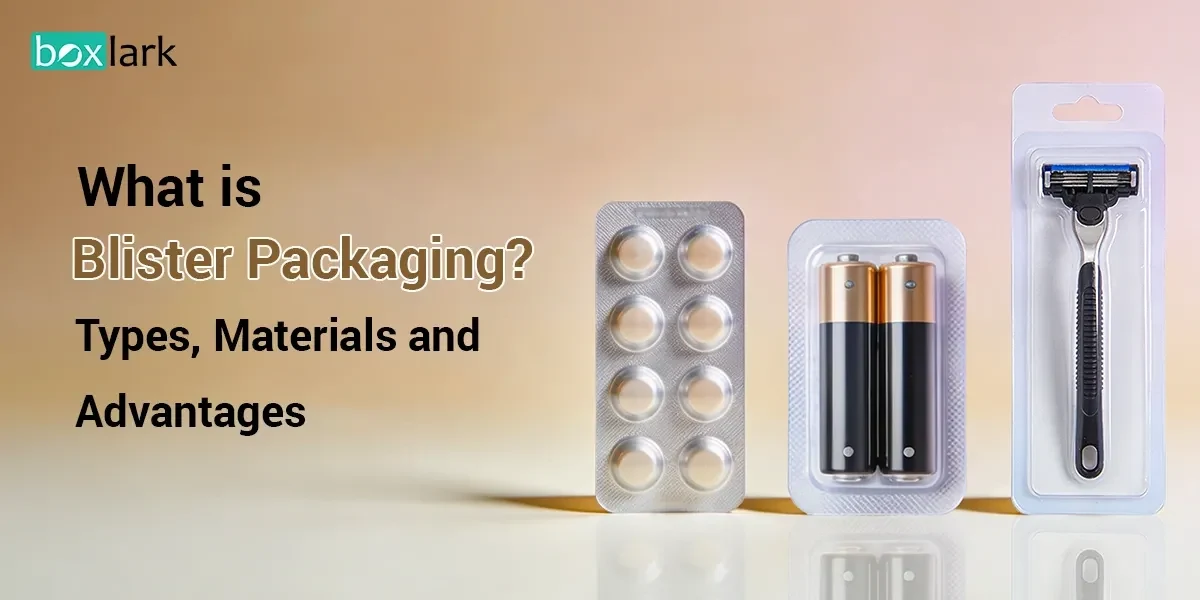
What Is Blister Packaging? Types, Materials, and Advantages
Read More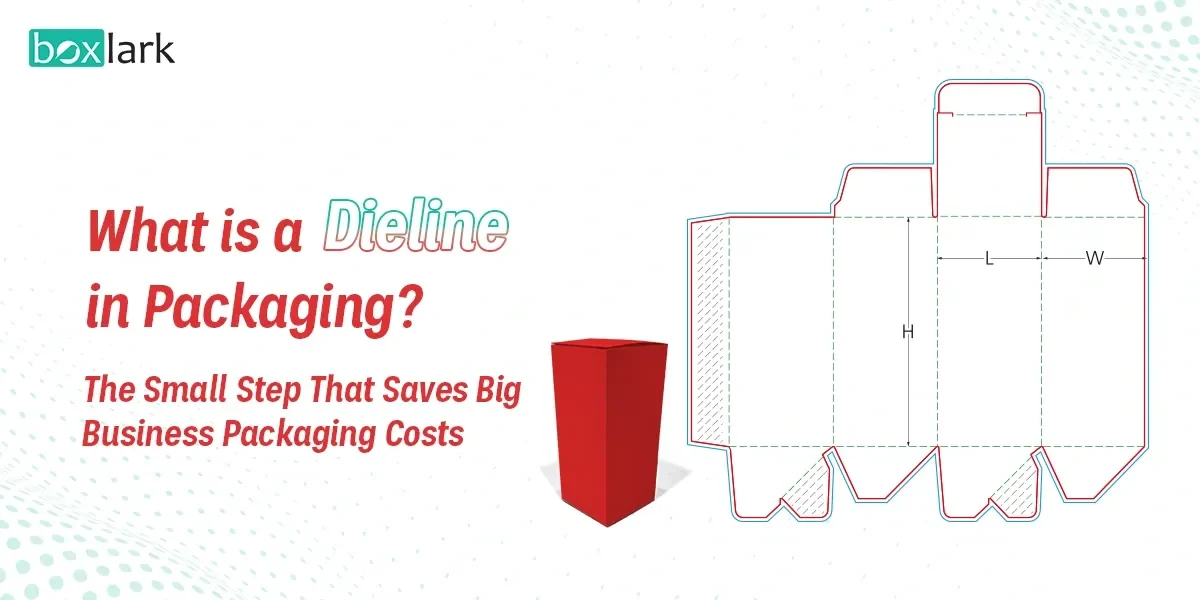
What Is a Dieline in Packaging? The Small Step That Saves Big Businesses
Read More
How Custom Packaging Can Maximize Your 4th of July Sales in 2026
Read More
Updated Guide on Cigarette Box Dimensions 2026
Read More
Litho vs Flexo Box Printing: Which is Best for Packaging?
Read MoreLos Angeles brands span ecommerce, beauty, food, retail, fashion and premium consumer products, but the packaging decision is still practical: what must the package protect, how will it be sold or shipped, what information must it carry, and what presentation level fits the product?
The Packaging Works uses those project details to narrow the box style, material, print and finish rather than treating every Los Angeles packaging project as the same template.
Discuss a Los Angeles packaging project
Custom packaging can carry your logo, artwork, product information and brand colors, but the print and finish should match the material, structure and job of the package. Where compatible with the confirmed structure and stock, finish directions may include matte, gloss, soft touch, foil, Spot UV, embossing, debossing or holographic effects.
Use finishes where they matter: highlight a logo, product name, pattern or tactile detail instead of applying every available effect to the same box. Explore custom printed boxes.
California’s packaging rules are changing under SB 54, and material claims should be tied to the actual package rather than broad marketing language. If sustainability is part of the brief, compare material use, package weight, recyclability or compostability claims, coatings, inserts and unnecessary components early in the design process.
Use current CalRecycle guidance and your own legal/compliance review for obligations that apply to your products. Explore sustainable packaging.